Severe Storm Preparation to Protect Your Home
Severe storms can arrive quickly and leave behind significant damage to homes and property. In Maryland, spring and summer storms often bring high winds, heavy rain, hail, and falling debris that can impact roofs, siding, gutters, and windows.
For homeowners, preparation is the best defense against storm damage. Taking proactive steps before a storm—and performing a careful inspection afterward—can help prevent costly repairs and protect your home from long-term structural issues.
This guide outlines how to prepare your home before severe weather and provides a post-storm damage inspection checklist to help you identify potential problems early.
Why Storm Preparation Matters
Storm damage can occur in a matter of minutes. High winds can tear off shingles, hail can dent roofing materials, and clogged gutters can lead to water intrusion. Without proper preparation or inspection, minor damage can quickly turn into more serious issues such as roof leaks, mold and moisture problems, structural damage, foundation issues, interior water damage.
Homeowners who regularly maintain their exterior and perform inspections after storms are more likely to catch small issues before they become major repairs.
Pre-Storm Action Items
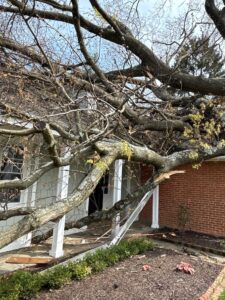
Post Storm Damage Inspection
Once it is safe to assess your property, we recommend a quick visual inspection to identify immediate concerns or damages. Catching problems early can prevent further deterioration. Below is our checklist that any homeowner can use to quickly assess immediate needs: Roofing Inspection: Look for the following signs of roof damage:- Missing or lifted shingles
- Cracked or dented shingles
- Exposed underlayment or plywood
- Debris such as branches on the roof
- Damage to flashings or vents
- Cracked or broken siding panels
- Dents from hail impact
- Water stains around window frames
- Broken seals or cracked glass
- Detached or bent gutters
- Blocked downspouts
- Water pooling near the foundation or basement seepage
- Loose fasteners
- Water stains on ceilings or walls
- Damp insulation in the attic space
- Musty odors
- Peeling paint or bubbling drywall
 When to Call a Professional
Even if damage appears minor, a professional inspection can uncover hidden issues that may worsen over time. Roofing and exterior specialists can safely evaluate storm damage, recommend repairs, and help homeowners document issues for potential insurance claims. A professional inspector can:
 When to Call a Professional
- Inspect for wind and hail damage to the roof’s shingles
- Document storm damage for your insurance claim
- Recommend necessary repairs
- Prevent small repairs from becoming costly headaches
Year Round Protection
Severe storms are an unavoidable part of living in Maryland, but preparation and routine inspections can significantly reduce their impact. By securing outdoor items, maintaining your roof and gutters, trimming trees, and performing a post-storm inspection, homeowners can protect their property and catch potential problems early. Taking these steps today can help ensure your home remains safe, secure, and resilient throughout storm season. Contact us to schedule an inspection for your property.
Frequently Asked Questions: Next Steps to Address Storm Damage
What should I do first after the severe storm?The first step after a storm is to ensure your safety and check for any immediate hazards such as downed power lines, broken glass, or structural damage. Once it is safe, perform a visual inspection of your property from the ground. Look for obvious signs of damage such as missing shingles, fallen branches, damaged siding, or broken windows. Document anything you notice with photos, as this may be useful if you need to file an insurance claim.
What if I have an active leak?If you notice an active leak after a storm, the first priority is to protect your home’s interior and prevent further damage. Start by placing buckets, containers, or towels under the leak to collect water and minimize damage to floors and furniture. If water is spreading across the ceiling, you may carefully puncture a small hole in the center of the water bulge to release the pressure and prevent the ceiling from collapsing. If it is safe to do so, move furniture, electronics, and valuables away from the affected area. Avoid climbing onto the roof during or immediately after a storm, as surfaces may be slippery or structurally compromised.
Once the immediate situation is under control, contact a professional roofing contractor to perform an emergency inspection and temporary repair. Quick action can help prevent additional water intrusion, mold growth, or structural damage.
What kind of damage is covered by my insurance company?Most homeowners insurance policies cover sudden and accidental storm damage caused by events such as:
- Wind damage
- Hail damage
- Falling trees and branches
Coverage can vary depending on the policy and deductible, so it is important to review your insurance documents or speak with your insurance provider to understand what is included.
Should I file a claim with my insurance company?It is recommended to file a claim as soon as possible after discovering damage. Many insurance companies have time limits for reporting storm-related damage. Before filing a claim, homeowners often schedule a professional inspection to confirm that damage occurred and determine whether a claim is appropriate.
Do I need a contractor to help with the insurance claims process?Many roofing and exterior contractors, including American Custom Contractors, have experience working with insurance companies and can help homeowners understand the repair process. As a contractor we can perform a detailed storm damage inspection, provide repair estimates, document the damages for your insurance carrier, and assist with communicating with adjusters. Working with a reputable contractor that is familiar with and can adhere to the insurance claims process is key to a successful outcome for your claim to be addressed properly and efficiently.