Types and their importance in the roofing industry in Tacoma Park, MD
When it comes to roofing, valleys are one of the most critical components of the structure. But what’s a roof valley? Simply put, it is the internal angle formed by the intersection of two sloping roof planes. These valleys play a crucial role in channeling rainwater and snow to the gutters, preventing water from pooling and causing potential leaks or structural damage.
The type of valley installation used can significantly impact the longevity and effectiveness of a roof. In this article, we’ll explore the different types of roof valleys, their benefits, and why choosing the right one matters—especially in a community like Takoma Park, MD, where weather patterns and architectural preferences come into play.

Open Valleys
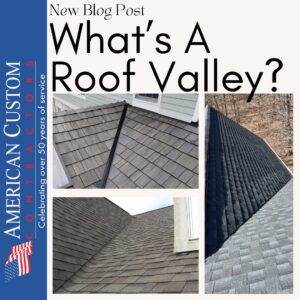
Open valleys are one of the most common types of roof valleys. They feature a metal strip, typically made of galvanized steel, aluminum, or copper, running up the valley. Roofing materials are installed on either side, leaving the metal strip exposed. (See the rightmost image above for reference.)
Advantages of Open Valleys –
- Durability: The metal strip adds protection against water infiltration and is resistant to corrosion, especially when premium materials like copper are used.
- Ease of Maintenance: Open valleys are easy to inspect for damage or debris, simplifying maintenance.
- Water Flow Efficiency: The exposed metal channel efficiently directs water to the gutters, minimizing the risk of water backing up under the shingles.
Disadvantages of Open Valleys –
- Aesthetics: The exposed metal may be less visually appealing to some homeowners.
- Cost: The use of metal and the associated installation process can make open valleys slightly more expensive than other options.
Best Use Cases –
Open valleys are ideal for roofs in areas where heavy rainfall or snow occurs. They are especially suited to homes with intricate roof designs like the historic Victorian-style architecture, commonly seen in the Takoma Park, Maryland community.
California Valleys
California valleys use a method where shingles are laid across the valley and onto the opposite side. A shingle layer is then installed vertically up the edge of the valley to cover the edges of the underlying shingles, creating a smooth and seamless valley. Finally, the shingle on the opposite side are laid to meet along the edge over the vertical shingle, creating a clean “Cut” edge look. (See the leftmost image above for final appearance.)

Advantages of California Valleys –
- Aesthetics: They provide a clean, streamlined look as there is no exposed metal, blending seamlessly with the rest of the roof.
- Cost-Effective: Since no metal is used, material costs can be lower than those of open valleys.
Disadvantages of California Valleys –
- Durability: Without metal reinforcement, they can be more susceptible to wear and tear, especially in regions with heavy precipitation.
- Water Flow Challenges: Improper installation can lead to water pooling or backing up under the shingles, increasing the risk of leaks.
Best Use Cases –
California valleys work best for homes, where aesthetic appeal is a priority, and the climate is moderate, with less risk of heavy rain or snow accumulation.
Closed Cut Valleys
Closed-cut valleys are really a hybrid between open and closed valley designs. In this method, shingles on one side are installed normally, while shingles on the other side are cut along the valley line to overlap the first layer.
Advantages of Closed Cut Valleys –
- Aesthetic Appeal: They provide a cleaner appearance than open valleys while maintaining structural integrity with overlapping shingles.
- Versatility: Compatible with most shingle types and roof designs.
- Durability: The overlapping shingles add protection against water infiltration, similar to California valleys.
Disadvantages of Closed Cut Valleys –
- Complex Installation: Precision cutting and proper installation are required, which can increase labor costs.
- Potential Weak Points: If not installed correctly, the cut edges may become vulnerable to water infiltration.
Best Use Cases-
Closed-cut valleys are ideal for homes in Takoma Park, MD, where both aesthetics and durability are important. They’re particularly effective for areas with moderate to high rainfall.
Why the Choice of Roof Valley Matters in Takoma Park, MD
The type of roof valley selected for a project can have significant long-term implications for the roof’s performance and durability. Here’s why it’s so important, particularly in Takoma Park:
1. Water Management –
Proper water drainage is critical to prevent leaks and structural damage. The right valley type ensures efficient water flow, reducing the risk of pooling—a key consideration in Takoma Park’s humid climate.
2. Durability –
Different valley types offer varying levels of protection against the elements. For example, open valleys with metal reinforcement are highly durable in the wet and snowy conditions often seen in the area.
3. Aesthetic Impact –
In a community like Takoma Park, where historic homes and architectural charm are prevalent, the visual appeal of a roof is vital. Choosing the right valley type ensures that the roof complements the home’s design.
4. Cost Considerations –
Budget plays an important role in roofing decisions. While some valley types may have higher upfront costs, they often provide better long-term value by reducing maintenance needs and extending the roof’s lifespan—a smart investment for local homeowners.
Conclusion
Roofing valleys are a fundamental component of any roof, and choosing the right type is critical for both functionality and aesthetics. Whether you’re prioritizing durability, visual appeal, or cost, understanding the differences between open, California, and closed cut valleys can help you make informed decisions.
For homeowners in Takoma Park, MD, selecting the appropriate valley type ensures optimal performance and longevity, protecting your home from the elements while maintaining its curb appeal.
When details matter, the right roofing valley installation can make all the difference details matter, the right valley installation can make all the difference.
Stay Informed!
Related Articles: How to Determine the Ideal Gutter Size for Your Home
Roof Valley FAQs
What are the most common types of roof valleys, and how do they differ?
The most common types of roof valleys are open roof valleys, closed-cut valleys, and California roof valleys. Open valleys use exposed metal flashing to efficiently direct water off the roof and are known for durability. Closed-cut valleys conceal the flashing beneath shingles for a cleaner appearance, while California valleys use shingles layered lengthwise for added protection. The best roof valley type depends on roof design, climate, and budget.
Why are roof valleys important for preventing roof leaks?
Roof valleys are critical because they handle more water runoff than almost any other part of the roof. Properly installed roof valleys guide rainwater and snowmelt into the gutter system, preventing standing water and leaks. Poor installation or damaged flashing in a roof valley is one of the most common causes of roof leaks, making professional installation essential.
What are the signs that a roof valley needs repair or replacement?
Common signs of roof valley damage include water stains on ceilings, rusted or exposed flashing, cracked or missing shingles near the valley, and debris buildup. Because roof valleys experience heavy water flow, they often wear out faster than other roofing areas. Addressing roof valley issues early can help prevent more extensive roof damage.
Does the type of roof valley affect roofing cost and maintenance?
Yes, the type of roof valley can impact both installation cost and long-term maintenance. Open metal roof valleys typically cost more upfront but offer superior durability and require less maintenance. Closed or California valleys may be more affordable initially, but may need more frequent inspections or repairs depending on weather exposure. Choosing the right roof valley helps maximize roof lifespan and performance.