1. Your Attic Tells You More Than Your Roof Does
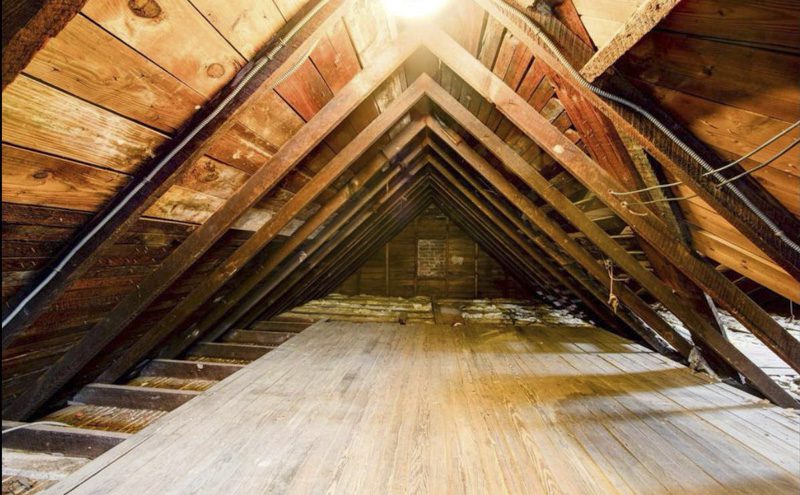
Most roof problems show up in the attic before they show up on the shingles. Water stains on the underside of the decking, damp insulation, and daylight coming through gaps can all point to leaks that haven’t reached your ceiling yet — which means you still have time to address them before they become a bigger repair. An inspection that skips the attic is only looking at half the picture. When our roof inspectors come to your property, we go up into the attic, not just onto the roof, because that’s often where the earliest and most honest signs of trouble show up.
2. Ventilation Problems That Are Quietly Shortening Your Roof's Life
A roof can be installed perfectly and still fail early if the attic underneath it isn’t ventilated correctly. Poor airflow traps heat and moisture, which can warp your roof deck, degrade shingles from underneath, and drive up your cooling costs in the Mid-Atlantic region’s hot, humid summers. Ventilation issues are also easy to miss because they don’t show up as an obvious leak — they show up gradually, as shortened shingle life or a hotter upstairs. We check your ridge vents, soffit vents, and overall attic airflow, and we’ll tell you plainly if a modification is needed — even if it wasn’t the reason you called us.
3. Mold in Your Attic Space
Mold in an attic doesn’t always mean you have a roof leak — sometimes it’s a ventilation issue, sometimes it’s a bathroom fan venting into the attic instead of outside. But mold anywhere near your roof deck or insulation is worth flagging, because it affects both your roof’s lifespan and your indoor air quality. Many inspections don’t include a real look for this, especially if the roof inspector never goes up into the attic in the first place. We check for mold and moisture signs as a standard part of every roof inspection, and we’ll walk you through what we find and what it likely means.
4. The Condition of Your Roof Deck — Not Just Your Shingles
Shingles get replaced. The roof deck underneath them usually doesn’t — unless it’s damaged. A soft, rotted, or water-damaged deck is one of the most important things to catch during an inspection, because it changes both the scope and the cost of a repair or replacement. If an inspector only walks the roof and glances at the shingles, deck damage can go unnoticed until installation day, when it becomes an unpleasant surprise. We check the deck itself, not just what’s sitting on top of it, so you know the real condition of your roof before you make any decisions.
5. The Full Picture — Not Just the Roof
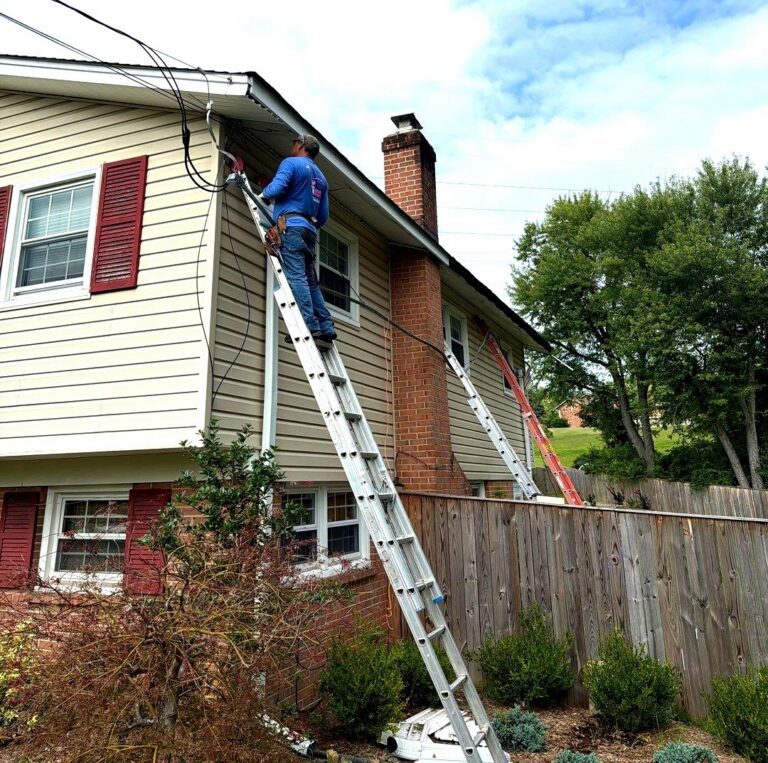
Your roof doesn’t work in isolation. Flashing, fascia, soffits, gutters, and siding all interact with your roof system, and a problem in one area often shows up as a “roof issue” somewhere else. We do a comprehensive walk-around of your entire exterior, not just an isolated look at the roof, because the full picture is what actually tells you what your home needs. It’s the difference between a roof-only inspection and one that considers your home as a whole system.
Bonus: We Don't Rely on Drones for Your Inspection
Drone photos can be a useful supplement, but they can’t replace an inspector’s eyes, hands, and judgment on your actual roof. A drone can’t feel a soft spot in the decking, confirm ventilation is working correctly, or check your attic for moisture and mold. When accuracy matters — and it does, especially if you’re deciding between a repair and a full replacement — we believe a hands-on inspection gives you a far more reliable picture than photos alone. That’s why our inspections are done in person, not from the ground with a camera in the air.
Get the Full Picture of Your Roof’s Condition
Attic, ventilation, deck, and a full exterior walk-around — all included, with an honest recommendation at the end.
Frequently Asked Questions
How long does a full roof inspection take?
A thorough inspection — including your attic, ventilation, roof deck, and a full exterior walk-around — typically takes 45 minutes to an hour. Inspections that only take a few minutes are usually skipping steps like the attic check or deck assessment.
Do I need a roof inspection if I don’t see any leaks?
Yes. Most roof problems — poor ventilation, early deck damage, attic moisture — don’t show up as a visible leak until they’ve already been developing for a while. An inspection catches these issues while they’re still small and inexpensive to address.
Will you inspect my attic, or just the roof itself?
Both. A roof-only inspection misses the earliest and most reliable signs of trouble, since problems like moisture, mold, and poor airflow usually show up in the attic before they reach the shingles or your ceiling.
Do you use drones instead of a hands-on inspection?
No. Drone photos can supplement an inspection, but they can’t feel a soft spot in the decking, confirm your ventilation is working, or check the attic for moisture and mold. Every inspection we do is hands-on.
What happens if you find a problem that isn’t roof-related?
We’ll tell you. Flashing, fascia, soffits, gutters, and siding all interact with your roof system, so a full exterior walk-around often surfaces issues in nearby areas. You’ll get an honest picture of your whole home’s exterior, not just the roof.
Is a free inspection really free, or is it a sales pitch?
It’s a genuine inspection with an honest recommendation at the end — including telling you if nothing needs to be done yet. If we find something like a ventilation issue that wasn’t the reason you called, we’ll flag it even if it wasn’t what you asked about.