Should You Repair Your Roof — Or File an Insurance Claim?
If your roof is damaged, your first instinct is probably to call your insurance company. That’s not always the right move — and if a roofing contractor tells you to file a claim before they’ve even looked at your roof, that’s worth noticing. Filing takes time, and if the payout barely clears your deductible, you’ve gained very little for the trouble.
There are really four paths after roof damage:
- Repair it and move on
- Pay for it directly or finance it
- File a claim
Which one fits depends on the damage, your roof’s age, and your policy — not on what gets a contractor the biggest job.
When Repair Makes Sense Instead of a Claim
If the damage is limited to a small area — a handful of cracked or lifted shingles, a localized leak — or if you’re roof is relatively new, filing a claim often isn’t worth it. Between your deductible and the paperwork, you may end up spending more time and goodwill with your insurer than the repair would have cost you outright. Newer roofs can often be repaired more easily, because the shingles are more pliable, the materials are likely still source-able, and minor repairs shouldn’t end the serviceable life of your roof.
When Paying Out of Pocket Beats Filing
Your policy type may matter here. Many homeowner policies pay on an Actual Cash Value (ACV) basis, which means your insurer pays the depreciated value of the damage up front — not the full replacement cost. The remaining amount, called recoverable depreciation, is only paid out after the work is completed and documented, and usually only within a set window after your claim is approved. Once you subtract your deductible and factor in the depreciation holdback, the math sometimes favors paying directly or financing the project yourself rather than filing at all — especially for smaller, repair-level damage.
There may also be situations where filing a claim doesn’t make sense based on your prior claim history, your carrier, or how widespread the damage is on the roof.
When Filing a Claim Is the Right Call
When damage is widespread — full slopes affected, structural concerns, a payout that clearly clears your deductible by a meaningful margin — filing is the right move. This is also where working with a contractor who understands the claims process pays off: someone who can document damage thoroughly, communicate with your adjuster in the terms they use, and, when it’s appropriate, attend the adjustment meeting in person.


The Roof We Told a Homeowner Not to Claim
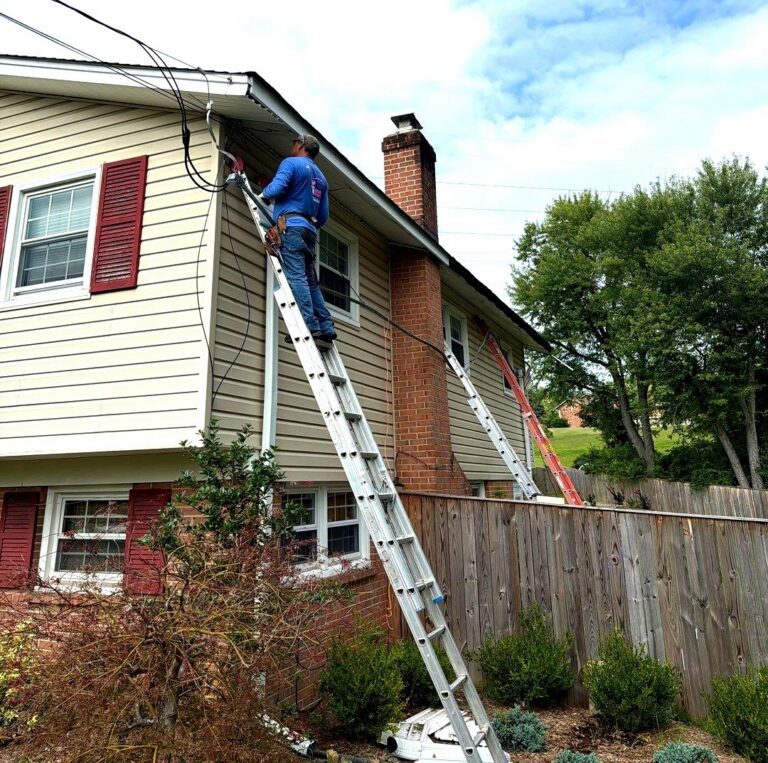
A homeowner called us after a hailstorm, assuming a claim was the obvious next step. Our inspection found real but limited, cosmetic-level damage on a roof that was relatively new. We recommended repairing the affected area and skipping the claim entirely. It wasn’t the answer that leads to the biggest job for us — it was the answer that made sense for the homeowner, their roof, and their deductible.
The Roof Where We Explained the Numbers and Stepped Back
Another homeowner was weighing a claim against paying for repairs directly. Their policy was ACV, and the decision hinged on how recoverable depreciation and claim timelines worked under that policy type.
We walked through the mechanics with them — what the insurer would pay now, what would come later and under what conditions, and what the deductible would take off the top either way. We didn’t tell them which path to choose – they ran their own numbers and decided to pay for the replacement directly, given that the roof was nearing the end of its lifespan, but they wanted to avoid the headache of filing a claim.
The Roof Where Filing Made Sense — And We Went to the Adjustment Meeting
In a third case, the damage was clear enough to justify filing. Our representative met the adjuster on-site and walked the roof with them, pointing out damage across every affected section. The claim came back with full approval. Attending the adjustment meeting isn’t a special favor we reserve for certain customers — it’s what we do any time filing is the right call and the homeowner wants us there.
How to Decide What's Right for Your Roof
Start with an inspection before you decide anything. Ask your contractor to walk through your specific policy type, deductible, and the actual extent of the damage — not just tell you to file. A contractor worth trusting will sometimes be the one telling you a claim isn’t necessary.
Not sure whether to repair, pay out of pocket, or file a claim?
Get a Clear Read on Your Roof and Your Options. We’ll look at the damage, your policy type, and your roof’s age — then tell you what we’d do in your position.
FAQ: Should You Repair or File a Claim?
Will filing a homeowners insurance claim raise my premium even if it's approved?
It can — insurers often factor claim history into renewal pricing, even for approved claims. That’s part of why filing isn’t automatically the right move for smaller, repair-level damage. American Custom Contractors will tell you when a repair makes more sense than a claim, even if that means a smaller job for us.
What's the difference between Actual Cash Value (ACV) and Replacement Cost Value (RCV) policies?
ACV pays the depreciated value of the damage upfront, with the rest (“recoverable depreciation”) paid later once work is done. RCV policies pay closer to full replacement cost from the start. Your policy type significantly changes whether filing makes financial sense.
How long do I have to file a claim after storm damage?
This varies by state and by policy, but most insurers set a window — often one year from the date of loss. Recoverable depreciation also usually has its own claim-back deadline after the repair is completed, so it’s worth confirming both dates with your carrier.
What if my contractor and my adjuster disagree on the scope of damage?
This happens more often than homeowners expect. A contractor experienced with claims can request a re-inspection or supplement, and attending the adjustment meeting in person often resolves scope disagreements before they become a dispute.