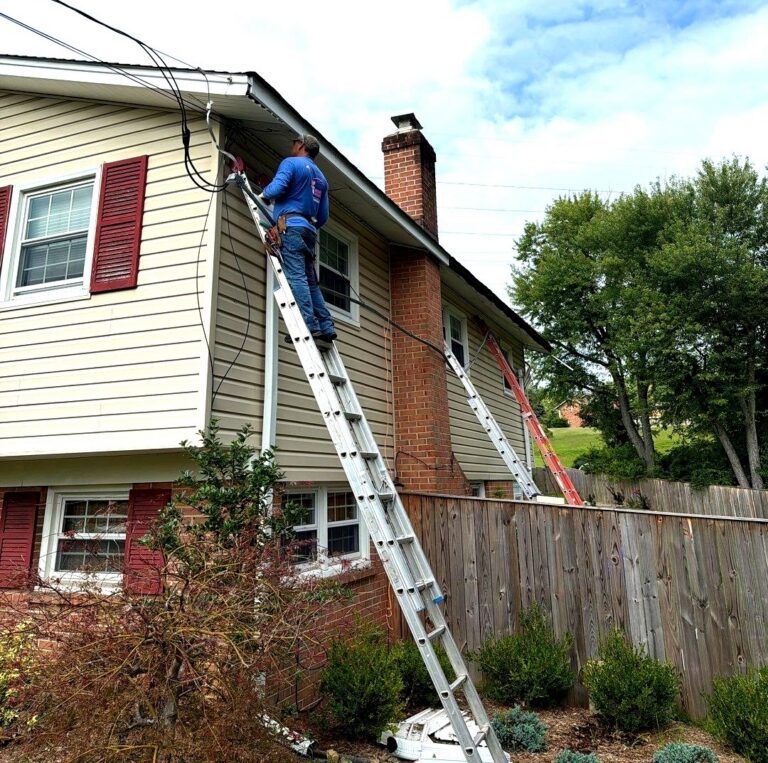
Siding Repair vs. Replacement
Most homeowners call about a repair, not a replacement. That’s the right instinct — a patch is almost always cheaper than a full re-side, and a good contractor should tell you when repair is enough. But sometimes a repair is money spent on a problem that comes back in a year. Here’s how you can tell the difference before you commit.
When Repair Is the Right Call
Isolated impact damage, a few cracked or warped panels, storm-loosened pieces, minor fading in one section. If the damage is contained and the rest of your siding is structurally sound, a targeted repair is the honest recommendation — and you should expect a contractor to make it, even if a bigger job pays them more.
Signs a Repair Won't Hold
- Your siding is discontinued. If the color or profile isn’t made anymore, a patch will always look mismatched, and future repairs get harder every year.
- The damage is spread across multiple walls, not one spot. That usually points to an underlying cause — sun exposure, moisture, installation age — that a single-panel fix won’t touch.
- Panels are brittle. Vinyl over 15–20 years old can crack just from being unclipped to make a repair, turning a small job into a bigger one mid-project.
- You already have moisture stains, soft spots, or a musty smell near the damaged area. That’s often a sign the problem isn’t the siding — it’s what’s happening behind it.
- You’re patching the same area for the second or third time.
Full replacement doesn’t always mean the whole house. If one elevation (say, the rear or side of the home) has taken the brunt of the damage or aged faster due to sun exposure, replacing siding on just that elevation can be a legitimate middle option — as long as one of two things is true: the same product is still in production and can be color-matched, or you’re comfortable with a visible difference between that elevation and the rest of the house. We’ll always tell you which situation you’re in before you decide, since a same-elevation replacement that ends up mismatched is a decision you should make on purpose, not one you discover after the fact.
What Happens If the "Repair" Turns Into More
If our crew opens up a section for repair and finds compromised sheathing, missing house wrap, or wider damage than expected, you’re the first to know — before we do anything else. We’ll walk you through exactly what we found, what your options are, and what each one means for cost and timeline. You decide how to move forward. Nothing gets done without you saying yes first.
How to Get an Honest Answer
The fastest way to know which category you’re in is a free inspection. We’ll tell you plainly if a repair will genuinely hold — and if it won’t, we’ll tell you why, in plain language, before you spend a dollar on either option.
Not sure if your siding needs a patch or something bigger?
We’ll give you a straight answer, even if it’s “you don’t need us for this yet.”
FAQ: Siding Repair or Replacement?
How do I know if my siding needs repair or replacement?
If the damage is limited to a small area and the rest of your siding is in good condition, a repair may be enough. Replacement becomes more practical when damage is widespread, the siding is brittle or discontinued, or there are signs of moisture behind the panels.
Can discontinued siding still be repaired?
Sometimes. If the original color or profile is no longer available, a replacement panel may not match perfectly. In some cases, replacing siding on an entire elevation can be a practical middle option, but you should know beforehand if there will be a visible difference.
How long does a siding repair typically last?
A properly completed repair can last for years when the surrounding siding is in good condition and the underlying issue has been addressed. If the siding is aging or the same area keeps failing, another repair may only be a temporary fix.
What happens if you find hidden damage during a siding repair?
If a repair reveals problems such as damaged sheathing, missing house wrap, or moisture intrusion, the contractor should explain what they found and review your options before doing additional work. You should have the opportunity to approve any changes to the scope, cost, or timeline.