What's Under Your Siding? Here's What Happens If We Find Trouble
Siding is the layer you see. It’s not the only layer protecting your home. Behind every panel is a system — house wrap, sheathing, framing — that does the real work of keeping water out. When we remove old siding, we see that system for the first time in years, sometimes decades. Most of the time, it’s fine. Sometimes, it isn’t. Here’s what’s actually back there, and exactly what we do if we find something you need to know about.
The Layers Behind Your Siding
Starting from the outside in: your siding panels (vinyl, fiber cement, wood) are the weather-facing skin. Behind that sits a moisture barrier — house wrap or building paper — designed to stop any water that gets past the siding from reaching the wood underneath. Behind the wrap is sheathing, usually OSB or plywood, which is structural and also the layer most vulnerable to rot if moisture gets trapped against it. Behind the sheathing is your home’s framing. On older homes, especially historic ones in the DC Metro area, you may also find a layer of original wood siding still in place, or details like removed vents and old window openings that were simply covered over during a past renovation.
What Can Go Wrong Back There
The most common finds: soft or delaminated sheathing where a small leak went unnoticed for years, missing or failed house wrap that let moisture reach the wood directly, and — particularly on older homes — sheathing or framing that was never sealed correctly to begin with. None of this is visible from the outside. A wall can look perfect with siding on it and still have a real problem underneath. That’s exactly why what happens during removal matters as much as what happens during installation.
What Happens If We Find Damage
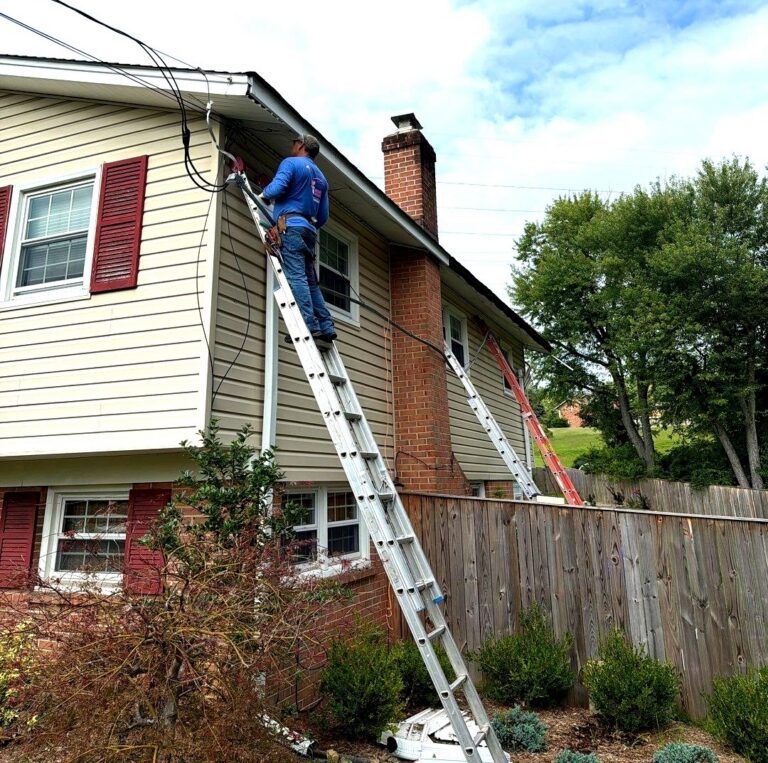
We stop and show you. Before any repair work happens, we walk you through exactly what we found — photos included — and explain what it means in plain terms: is this cosmetic, is it structural, does it affect a small area or a wider one. Then we lay out your options and what each one involves. You approve the plan before we move forward. This is also why our process includes a pre-construction site visit before your project starts, not just at the original estimate — it’s a second look specifically aimed at catching these issues early, so there are fewer surprises once the siding actually comes off.
Why This Matters More Than People Think
Sheathing and moisture problems don’t go away if you just put new siding over them — they get covered up again, and they keep getting worse underneath. A contractor who never mentions this possibility either hasn’t thought about it or isn’t planning to look. Ask any siding contractor directly: “What happens if you find damage once the old siding is off?” Their answer tells you a lot about how they’ll handle your project.
FREE INSPECTION
Curious what's actually behind your siding?
We’ll tell you what we can see now — and what we’ll be watching for once the old siding comes off.
FAQ: What's Behind Your Siding
What's actually underneath siding panels?
Three layers, working from the outside in: a moisture barrier (house wrap or building paper), structural sheathing (usually OSB or plywood), and the home’s framing. The siding you see is the weather-facing skin — the layers behind it are what actually keep water out of your walls.
How would I know if there's hidden damage behind my siding?
You usually wouldn’t — that’s the point. A wall can look completely fine from the outside while sheathing or framing underneath has rot, soft spots, or moisture damage from a leak that’s gone unnoticed for years. It’s typically only visible once the old siding comes off.
What happens if damage is found once the old siding is removed?
Work stops before any repair happens. You get shown exactly what was found, including photos, along with a plain-terms explanation of whether it’s cosmetic or structural and how much area is affected. You approve the plan before anything moves forward — nothing gets decided without you.
Can new siding just go over the old layer instead of removing it first?
Installing over existing siding is faster and cheaper, but it seals any hidden moisture or rot behind the new wall instead of catching it. American Custom Contractors always does a full tear-off specifically so problems can be identified and addressed before they’re covered up again.
What should I ask a siding contractor before hiring them?
Ask directly: “What happens if you find damage once the old siding is off?” Their answer tells you whether they’re planning to actually look, or just planning to install over whatever’s there. A contractor who has a clear process for this — a pre-construction site visit, photos, an approval step — is telling you they expect to find things and have a plan for it. American Custom Contractors builds this step into every project specifically so nothing gets sealed behind new siding without you knowing about it first.