Why We Told This McLean Homeowner Their Roof Still Has Life Left
A homeowner in McLean, VA called us expecting a roof replacement quote. Instead, after a full inspection, we told them the truth: No to a roof replacement! Becasue their roof has roughly 2–3 more years of useful life left in it, and spending thousands of dollars on a new one right now wouldn’t be a good use of their money. No leaks, no rot, no structural red flags — just an aging roof that hasn’t quite reached the end of its serviceable life yet. Here’s exactly what we looked at and how we got to that answer.
What a Full Roof Inspection Actually Looks At
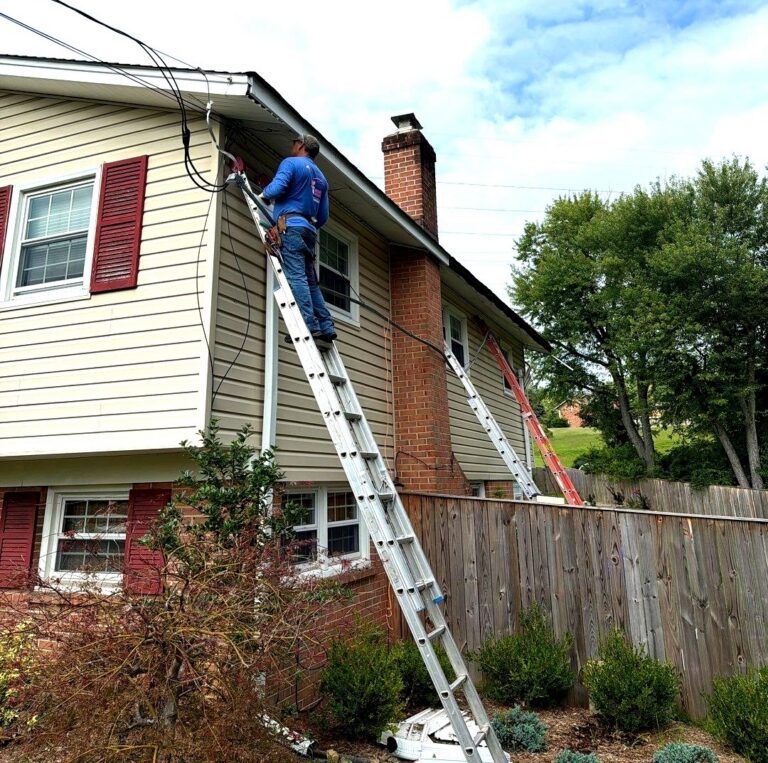
A real inspection isn’t a walk around the yard with binoculars. When you schedule one with us, here’s what we’re actually checking:
- The attic — moisture stains, active leaks, rotted or delaminating plywood decking, daylight coming through the roof deck
- Shingle condition — granule loss, curling, cracking, brittleness, and how the shingles react to hands-on examination
- Flashing — around valleys, chimneys, and roof-to-wall transitions, where most leaks actually start
- Pipe boots and vents — the rubber or plastic collars around plumbing vents, which dry out and crack years before the shingles around them fail
- Ridge caps — the shingles capping the roof’s peak, which take the most direct sun and wind exposure on the entire roof

What We Found in the Attic
We spent time in the attic looking at the underside of the roof deck from the inside — this is often more telling than anything you can see standing on the roof itself. We were looking for water staining on the plywood, soft or delaminating spots, active leaks, and any sign of trapped moisture from poor ventilation.
We found none of that. The decking was dry and intact, the rafters and framing showed no staining, and there was no evidence of moisture ever having gotten through. That’s a strong signal — a roof that’s leaking or failing usually shows it here first, long before it’s obvious from the ground.
What We Found on the Shingles, Flashing, and Vents
Up on the roof, the shingles showed the wear you’d expect for their age — some granule loss in spots, a bit of surface wear — but no widespread curling, cracking, or bald patches that would signal the end of their service life. The flashing at the valleys and roof-to-wall transitions was still sealed and doing its job. The pipe vent boot had some visible weathering and sealant wear, worth keeping an eye on, but it wasn’t compromised. The ridge caps were intact with no lifting or cracking.
None of this means the roof is new, or that it’ll last another 15 years. It means it’s aging the way roofs are supposed to age — gradually, without any of the failures that would make replacement urgent today.
So Why Didn’t We Recommend Replacement?
Because the roof didn’t need it. We estimated 2–3 years of remaining useful life based on what we saw — enough time for this homeowner to plan and budget for a replacement on their own timeline instead of being pushed into one. We flagged the pipe vent boot as something to monitor between now and then, since sealant and rubber components tend to fail before shingles do.
A roof replacement is one of the bigger investments a homeowner makes in a home. We’d rather tell you honestly that you have time than sell you something you don’t need yet — even when it means we don’t get the job this year.
How to Know Where Your Own Roof Stands
If your roof is getting up there in age and you’re wondering whether it’s time, the honest answer usually isn’t “yes” or “no” — it’s “here’s how much time you’ve got left, and here’s what to watch.” That’s what a real inspection gives you: not a sales pitch, but a clear picture of where your roof actually stands.
Not Sure If Your Roof Needs Replacing — Or Just Needs a Few More Years? Schedule your free roof inspection with American Custom Contractors. You’ll get a straight answer, whether that answer makes us money this year or not.
FAQ: When Not to Replace Your Roof
Why would a roofing company say no to a roof replacement instead of selling one?
Because not every aging roof needs to be replaced right away. During this McLean, VA inspection, American Custom Contractors found no leaks, no rot, and no structural damage — just normal wear consistent with 2–3 years of remaining life. Saying no to a roof replacement when it isn’t needed yet is part of giving homeowners an honest assessment, not just a sales pitch.
How do you know a roof still has 2–3 years of life left?
That estimate comes from a full inspection covering the attic decking, shingle condition, flashing, pipe boots, and ridge caps. In this case, the attic showed no moisture staining or leaks, and the shingles, flashing, and ridge caps were intact with only expected age-related wear — no signs pointing to imminent failure.
What’s the difference between a real roof inspection and a quick roof estimate?
A real inspection includes going into the attic to check the underside of the roof deck for moisture and rot, examining shingles up close for granule loss and cracking, and checking flashing, pipe boots, and ridge caps individually. A quick estimate based on a ground-level look or a drone photo can miss these details entirely — which is often how homeowners end up replacing a roof before it actually needs it.
Is it normal for a roofing contractor to recommend against replacement?
It should be, but it isn’t always the norm in the industry. American Custom Contractors has been serving Maryland, DC, Virginia, West Virginia, and Pennsylvania since 1972, and part of that reputation is built on telling homeowners the truth — even when it means recommending against a roof replacement and losing a job in the short term.
What should I do if I’m not sure whether my roof needs replacing?
Schedule a free inspection. You’ll get a clear answer on your roof’s actual condition and remaining lifespan, along with specific things to monitor — like pipe vent boots or flashing — between now and when replacement does make sense.